
 Shirts & BlousesQC · 3 photos
Unisex White & Black Graphic Long Sleeve T-Shirt
USD estimate$21.08
View guide↗HubBuy shirts spreadsheet
Compare shirts and blouses by cut, collar, placket, measurements and visible fabric construction.
Direct answer
A HubBuy shirt spreadsheet is a focused directory of current shirt product references rather than an unfiltered wall of links. Compare shirts and blouses by cut, collar, placket, measurements and visible fabric construction. This page keeps price, visible evidence, sizing and delivery planning as separate checks before the current source is opened.
Browse current shirts ↓Product identityConfirm the sleeve length, collar style, closure and intended silhouette.
Size and fitUse chest, shoulder, sleeve and garment-length measurements to compare fit.
QC evidenceCheck QC photos of buttons, plackets, collars, cuffs, seams and pattern alignment.
Current rows
Use these rows as a shortlist. 1 QC-backed selections open a local research guide first; other cards open the exact live source. The current captured USD estimate range is $9–$33.
Shirts & BlousesQC · 3 photosUSD estimate$21.08
View guide↗ Shirts & BlousesQC · 3 photos
USD estimate$32.50
View find↗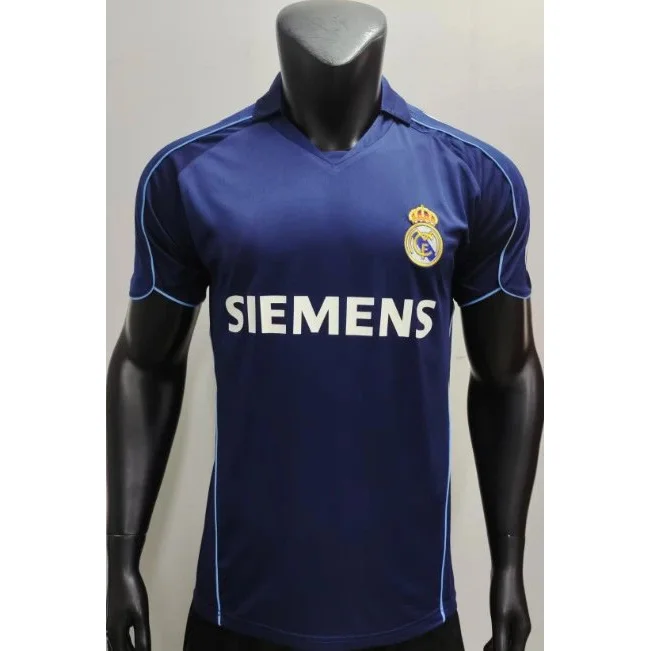 Shirts & Blouses
USD estimate$9.33
View find↗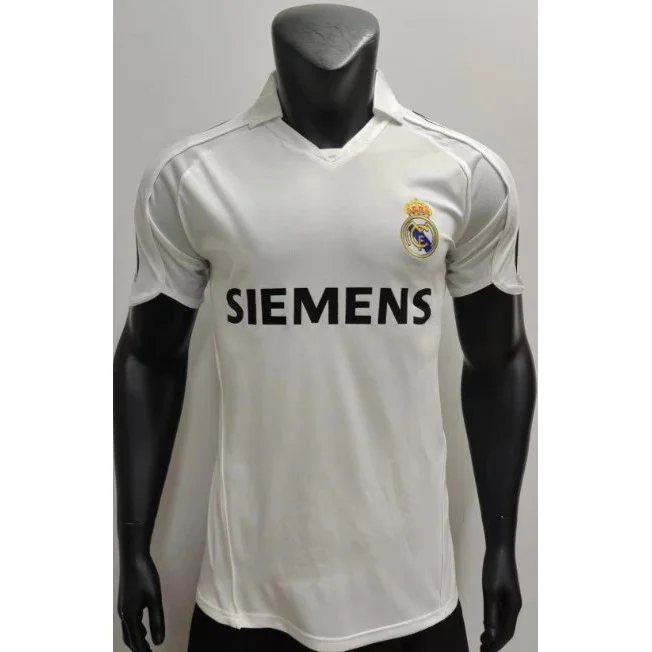 Shirts & Blouses
USD estimate$9.33
View find↗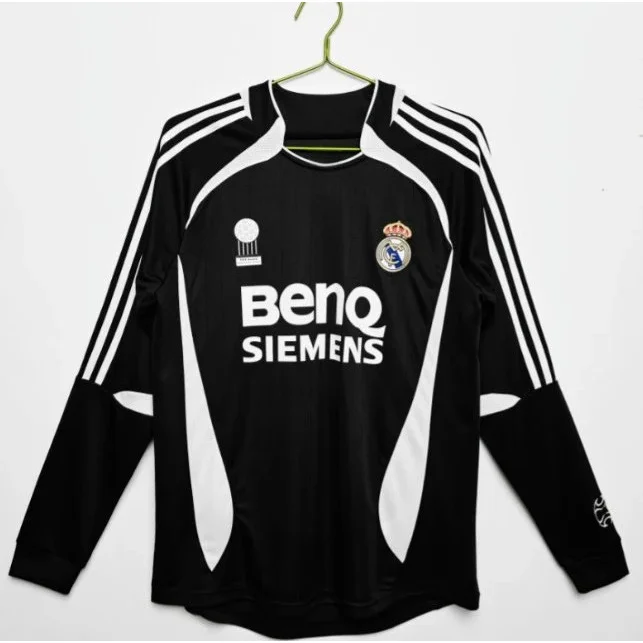 Shirts & Blouses
USD estimate$10.50
View find↗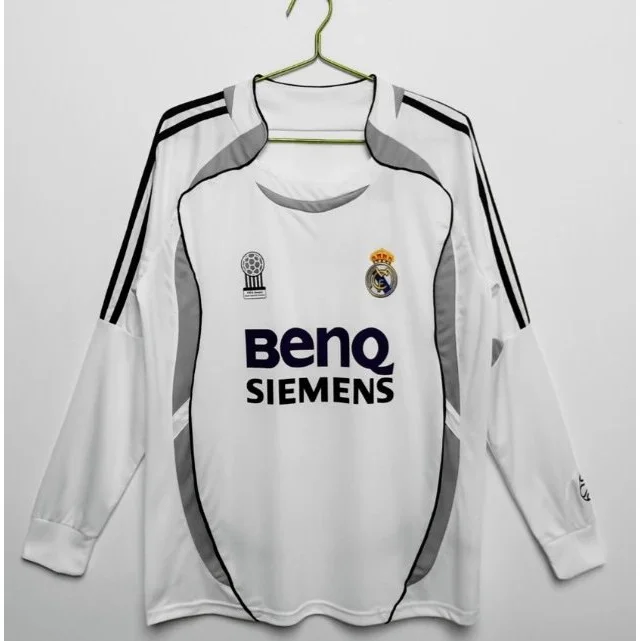 Shirts & Blouses
USD estimate$10.50
View find↗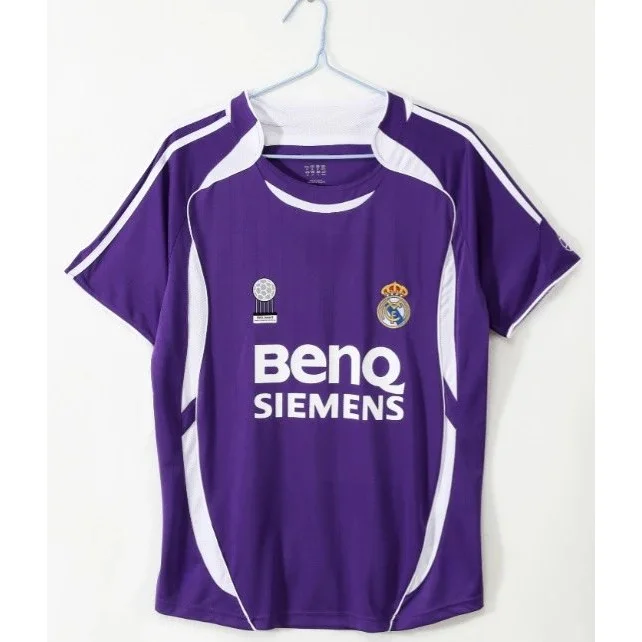 Shirts & Blouses
USD estimate$9.33
View find↗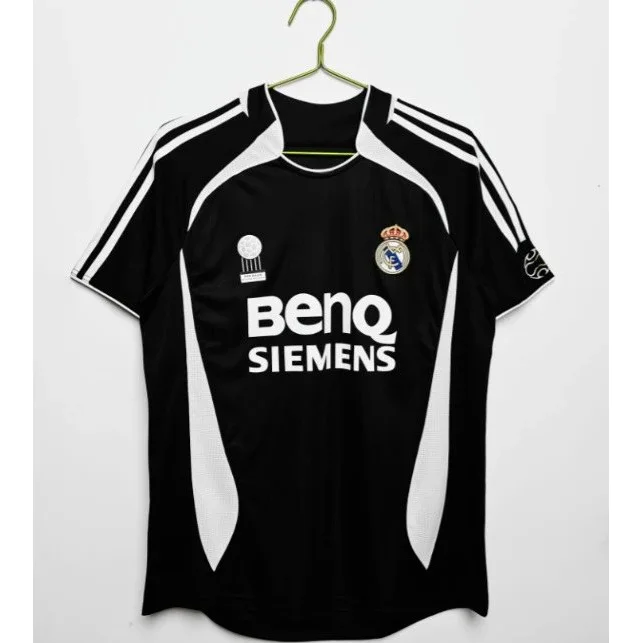 Shirts & Blouses
USD estimate$9.33
View find↗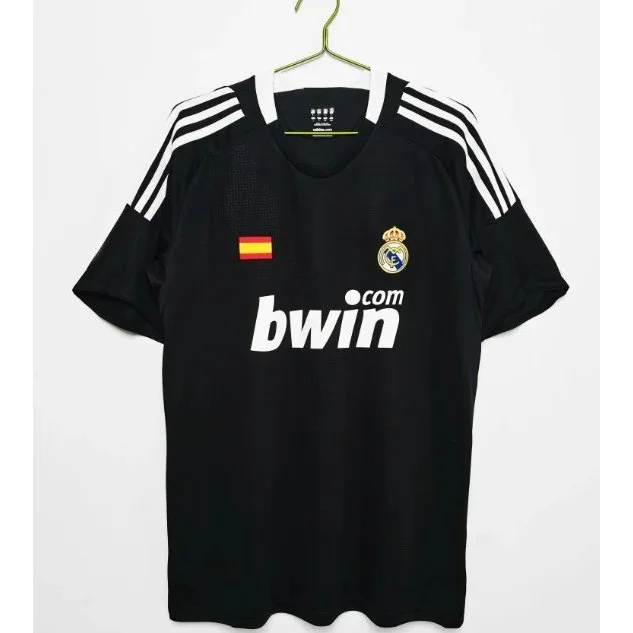 Shirts & Blouses
USD estimate$9.33
View find↗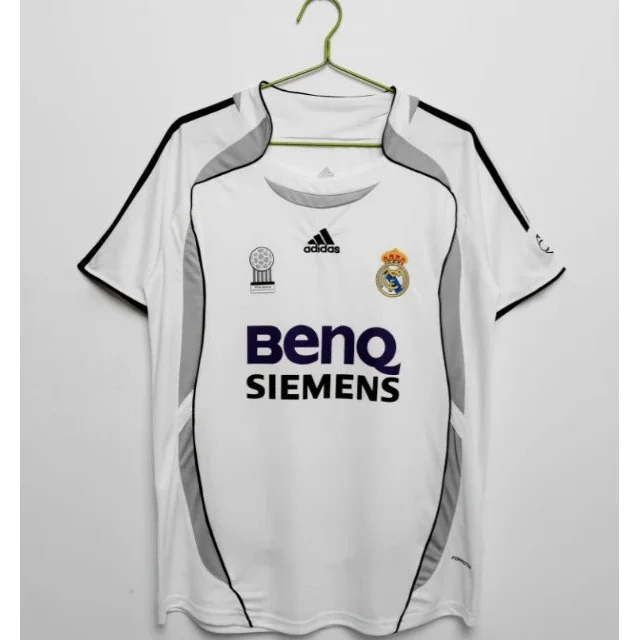 Shirts & Blouses
USD estimate$9.33
View find↗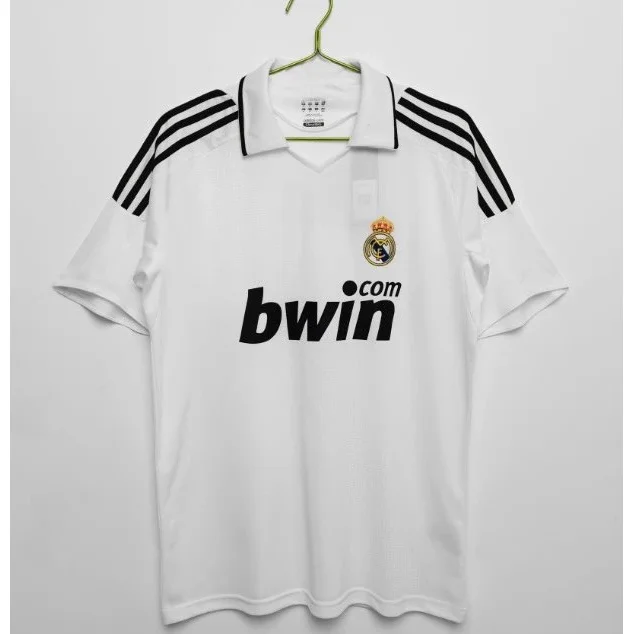 Shirts & Blouses
USD estimate$9.33
View find↗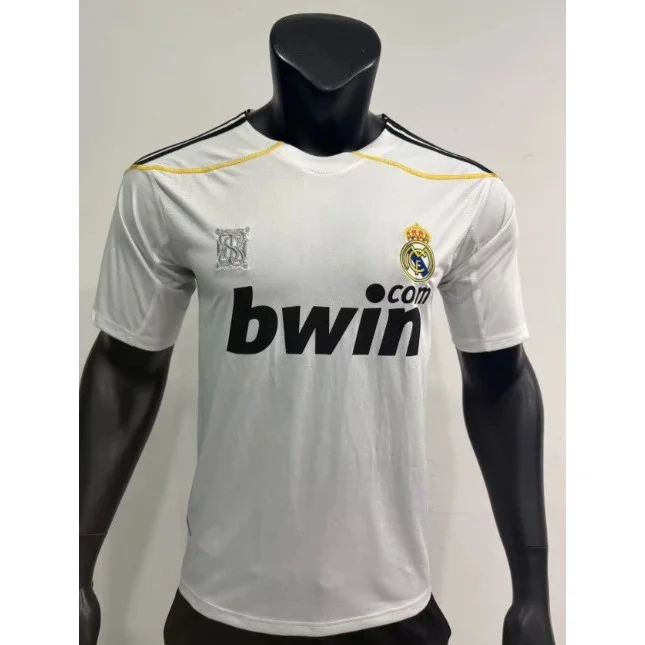 Shirts & Blouses
USD estimate$9.33
View find↗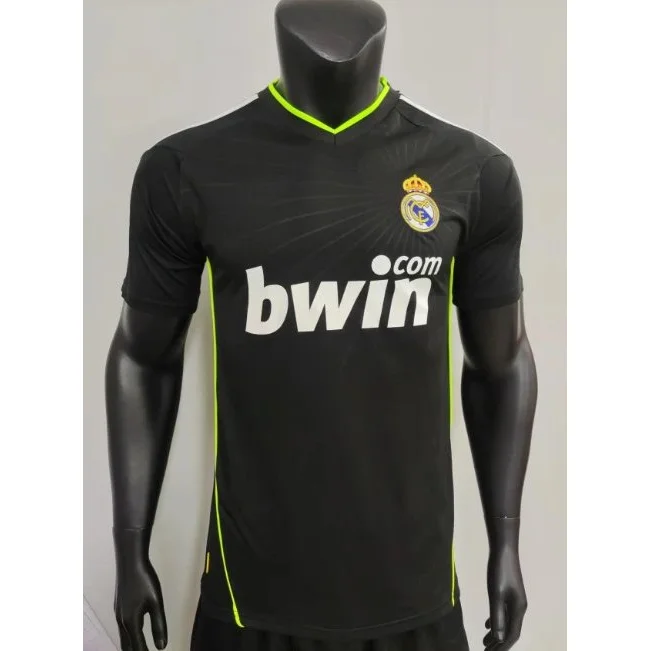 Shirts & Blouses
USD estimate$9.33
View find↗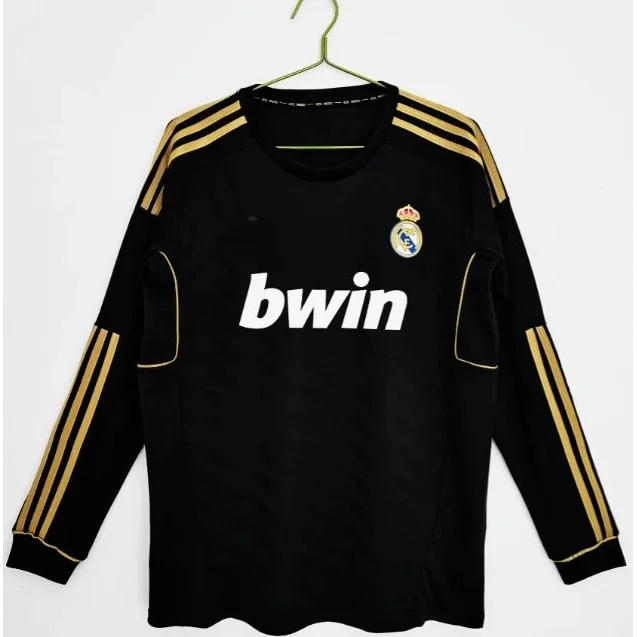 Shirts & Blouses
USD estimate$10.50
View find↗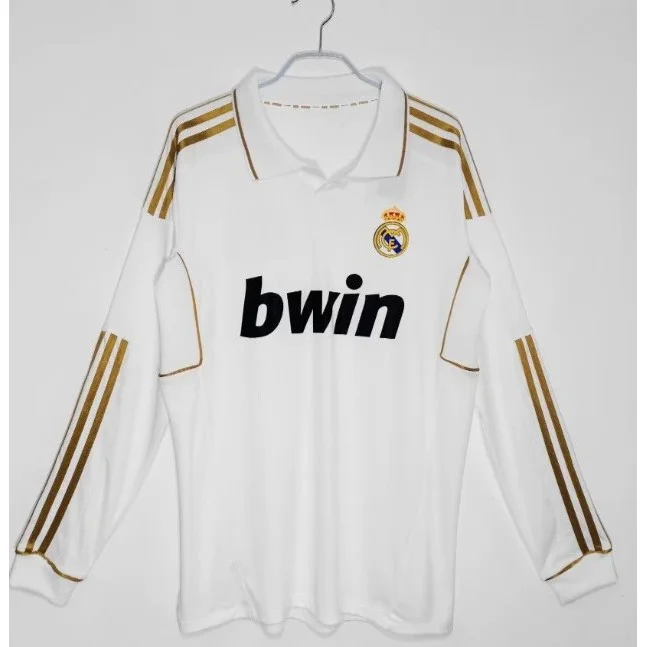 Shirts & Blouses
USD estimate$10.50
View find↗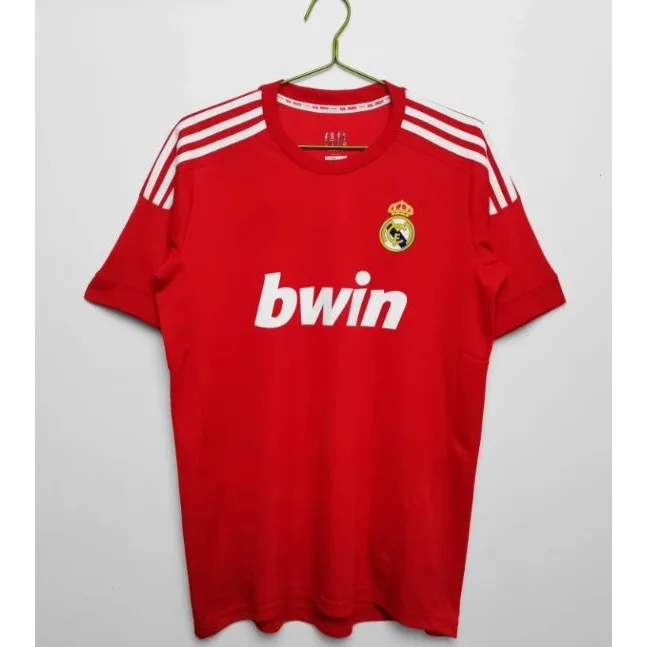 Shirts & Blouses
USD estimate$9.33
View find↗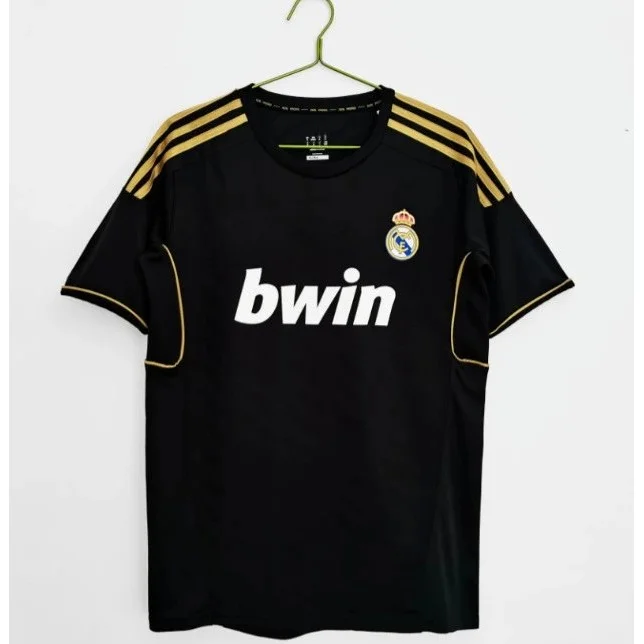 Shirts & Blouses
USD estimate$9.33
View find↗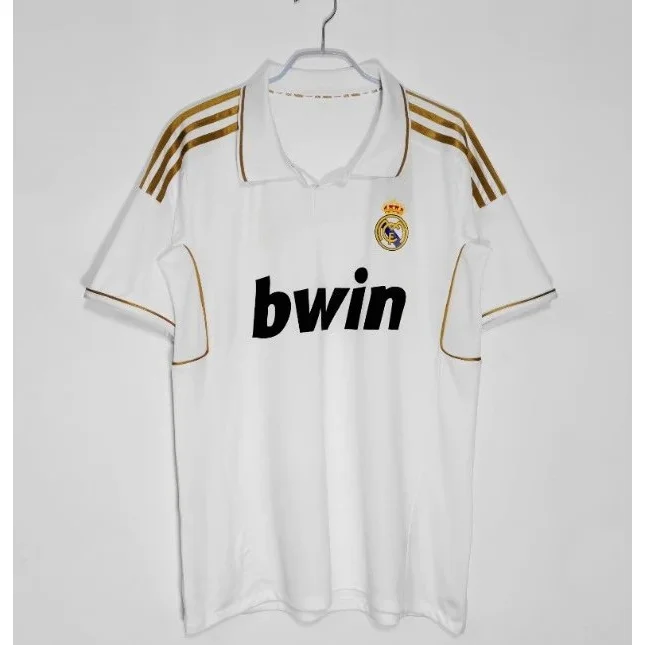 Shirts & Blouses
USD estimate$9.33
View find↗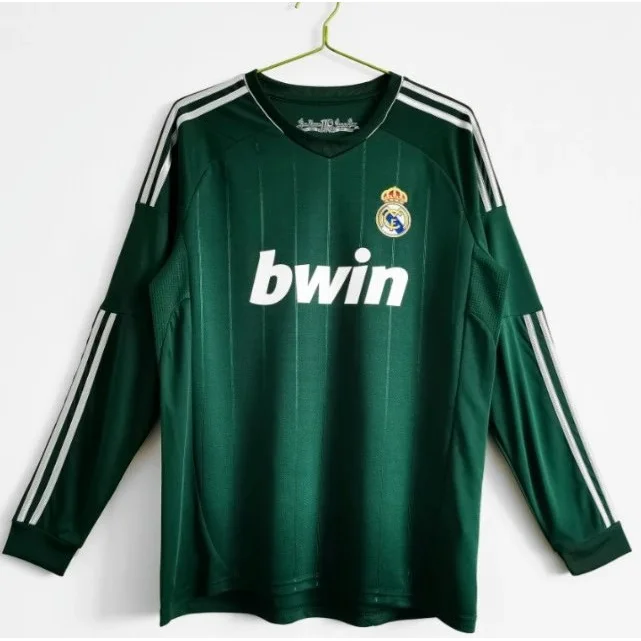 Shirts & Blouses
USD estimate$10.50
View find↗ Shirts & Blouses
USD estimate$10.50
View find↗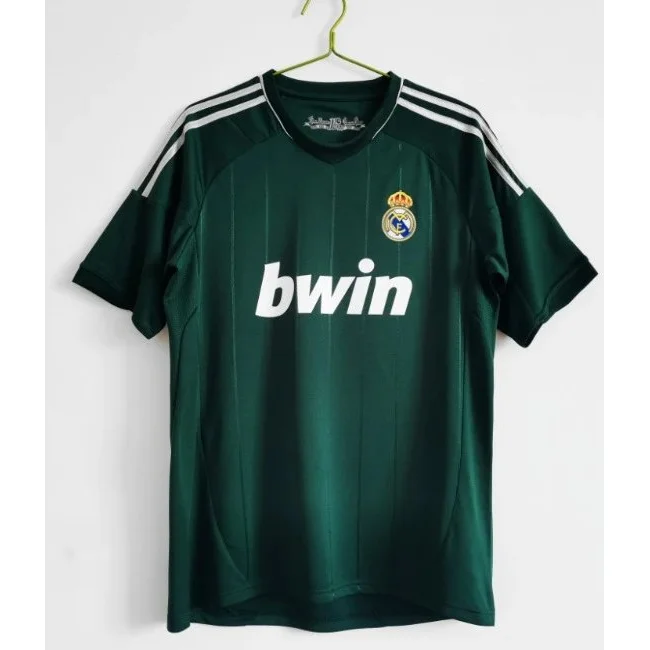 Shirts & Blouses
USD estimate$9.33
View find↗ Shirts & Blouses
USD estimate$9.33
View find↗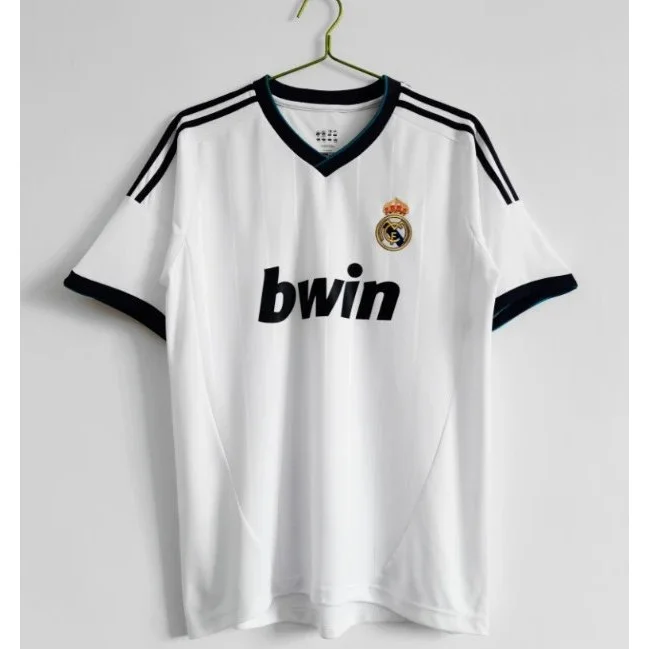 Shirts & Blouses
USD estimate$9.33
View find↗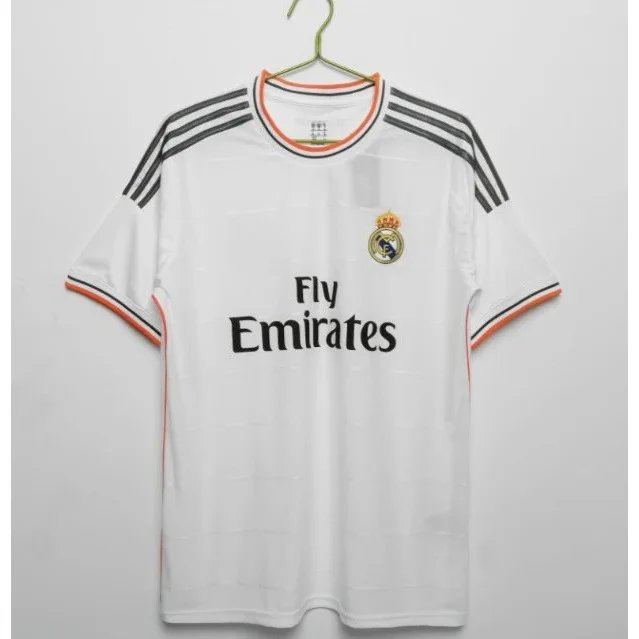 Shirts & Blouses
USD estimate$9.33
View find↗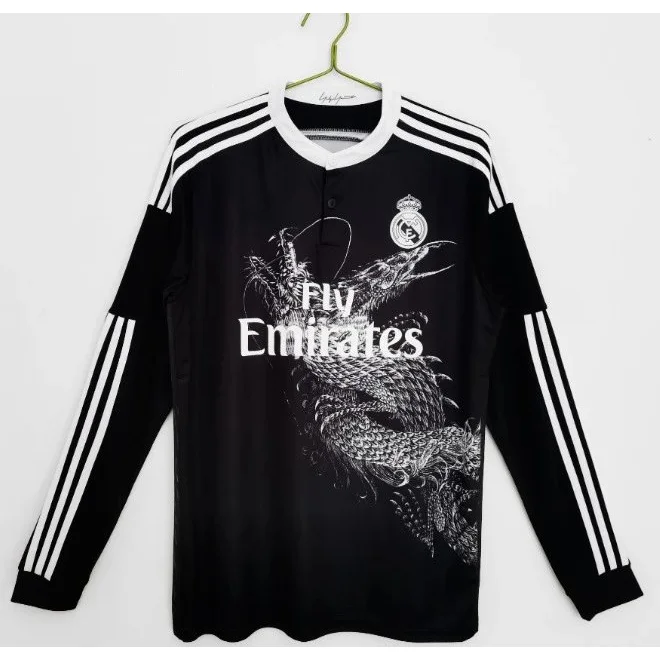 Shirts & Blouses
USD estimate$10.50
View find↗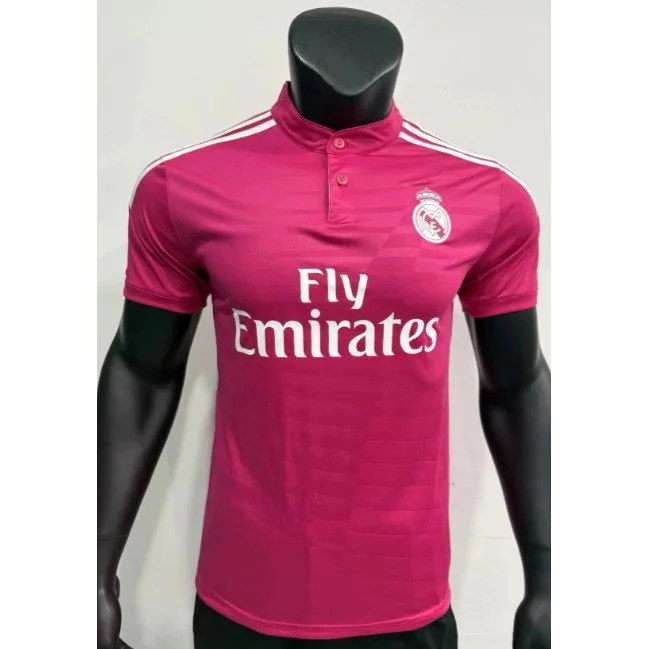 Shirts & Blouses
USD estimate$9.33
View find↗Before you keep a row
A spreadsheet row earns its place when the visible evidence answers the questions that matter for this product type. Remove weak rows early instead of assuming the source page will solve every uncertainty later.
Put two or three plausible rows beside each other and compare the same field across all of them. Price is meaningful only after product identity, variant and visible evidence are reasonably aligned. If one row has much less information, mark it for another check instead of treating the lower price as an advantage.
Focused research paths
Use the category page for product discovery, then open the guide that addresses the uncertainty most likely to change your shortlist.
Check QC photos of buttons, plackets, collars, cuffs, seams and pattern alignment.
Use the QC photo guide →Use chest, shoulder, sleeve and garment-length measurements to compare fit.
Follow the comparison workflow →Keep garment price separate from packing, conversion and delivery assumptions.
Open the shipping guide →HubBuy Shirts FAQ
These answers apply the category-specific checks above to common long-tail searches. Product counts and prices refer to the dated snapshot shown on this page.
Start by confirming the exact product type and selected option. Confirm the sleeve length, collar style, closure and intended silhouette. Then compare the relevant measurements and QC evidence before opening the current listing to verify price and availability.
Use chest, shoulder, sleeve and garment-length measurements to compare fit.
Check QC photos of buttons, plackets, collars, cuffs, seams and pattern alignment.
Keep garment price separate from packing, conversion and delivery assumptions. The product estimate shown on this site is not a complete delivered-cost quote.
No. The USD values are dated product estimates from the current catalogue snapshot. Confirm the selected option and current price on the live listing, and keep product cost separate from packing and route-dependent delivery costs.